Apps
-
Work Type Focus
Classify Jira work and visualize how teams divide their effort.
Visit website -
Calibration Framework
Guide talent reviews across performance, potential, core values, and retention risk.
Visit website -

PromptPlanner
Organize, schedule, and reuse AI prompts across projects on your Mac.
Visit website
Open notebook
Start anywhere. The concept stays the same: numbered reflections you can browse at your own pace.
Each card expands into a note, framework, quote, or video reference. The structure is still intentionally simple, but the reading experience is clearer, lighter, and easier to scan.
-
00
My name is Melvin Rook. I am a technical leader, software engineer, and entrepreneur. I have a passion for building and leading software engineering excellence, and I love to share my experiences and insights with others. I began my journey in technology at the age of 15 and have been driven by a lifelong passion for it.
I can help your startup, scaleup, or growth company with my CTO-as-a-Service subscription model.
Reach out at melvin@techflection.nl or connect on LinkedIn.
-
01
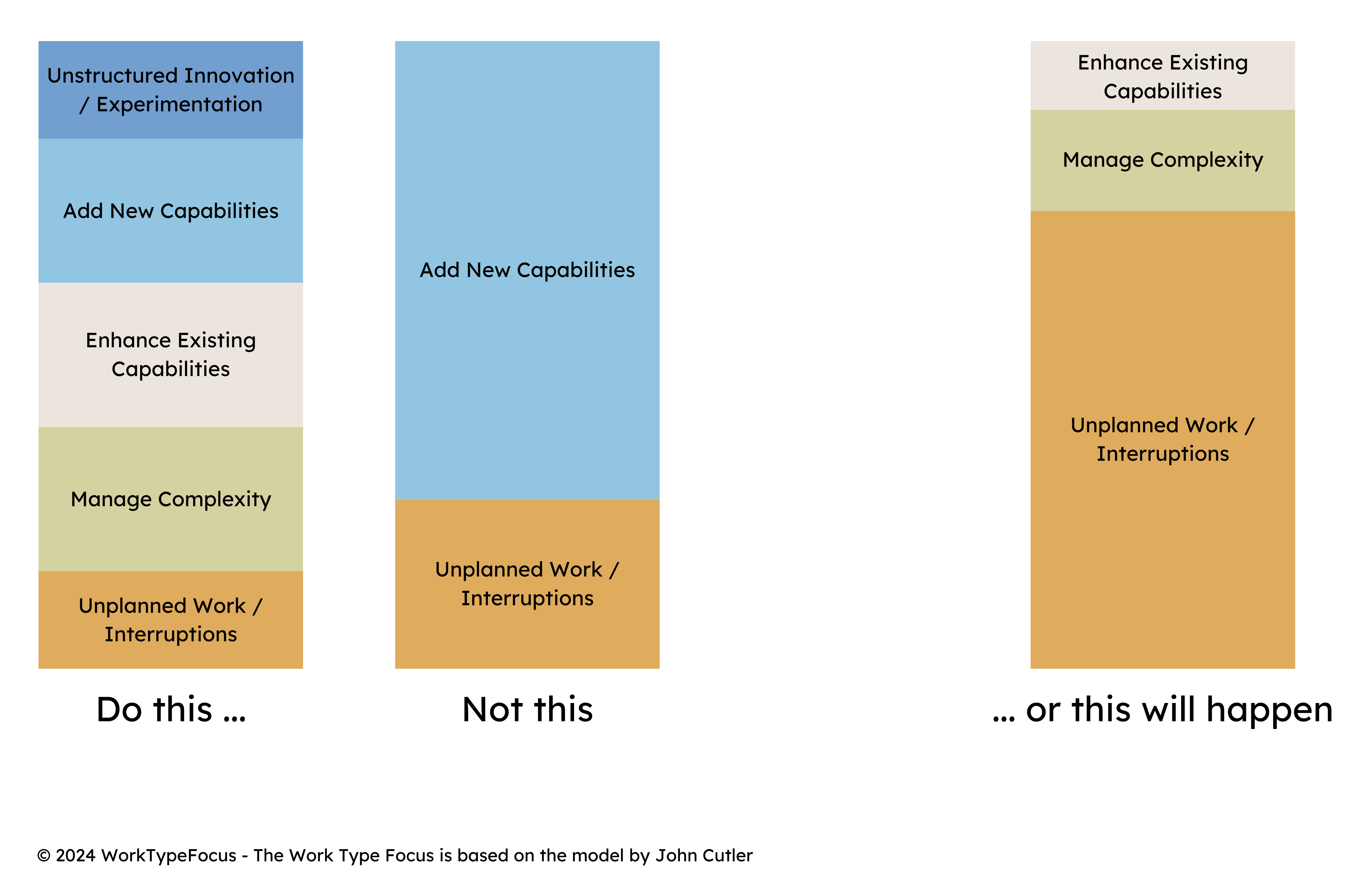
For 20+ years I've been classifying work into five main categories. Over time, this grew into the Work Type Focus framework. It helps teams focus on the right work at the right time.
-
02
If you want fair, consistent people decisions, you need a shared frame of reference instead of a collection of opinions.
Calibration Framework gives HR Admins, Partners, and Team Leads a guided way to align performance, potential, core values, and retention risk in one structured flow. The 3x3 grid makes the conversation visible, keeps the context role-aware, and helps teams make decisions with less noise and more consistency.
Embedded guidance, snapshot insights, and succession planning support keep the process practical. It helps you review where people are today, spot who is ready for more, and surface where attention is needed before important talent decisions drift out of sync.

-
03
As a technical leader it's easy to grow the hard skills. To pave the way for growth and collaboration, you also need to foster the soft skills and educate yourself on how other business departments work.
To grow business acumen, grasp commercial knowledge, and experience the support customers need, roam across other departments and take one day internships.
Throughout my career, I have actively pursued internships in areas such as customer support, bookkeeping, project management, product ownership, and advisory boards to gain practical experience and build a stronger business perspective.
-
04
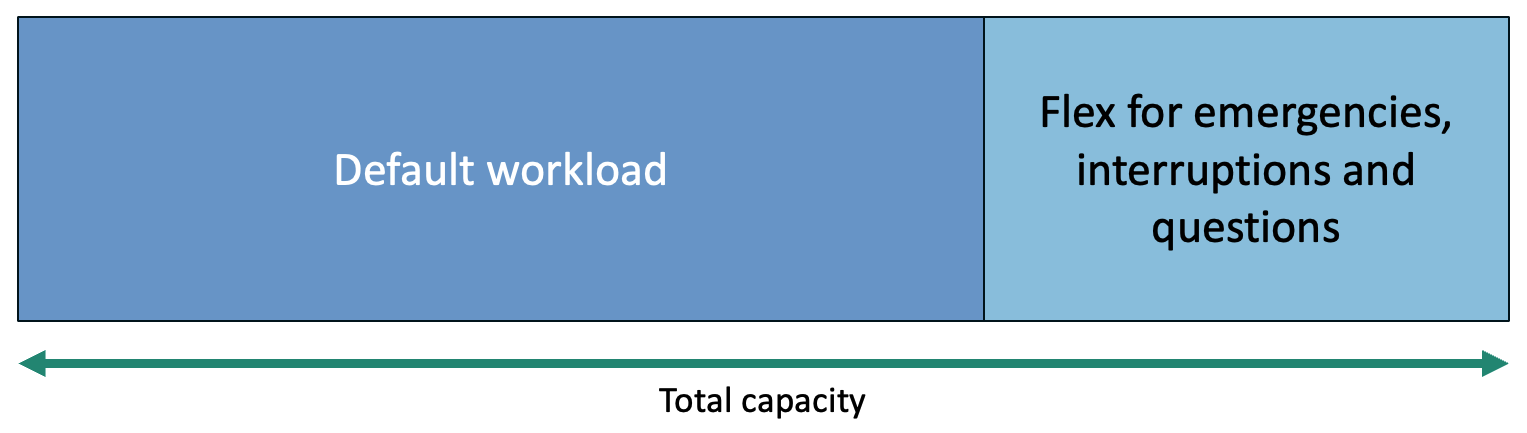
Capacity allocation is a key aspect of managing a team. It's important to understand the capacity of each team member and allocate work accordingly. This keeps the team working efficiently and ensures everyone contributes to the team's success.
Interruptions and context switching can have a significant impact on capacity, so it's important to minimize them as much as possible while still accepting that they are part of the job and planning for them accordingly.
-
05
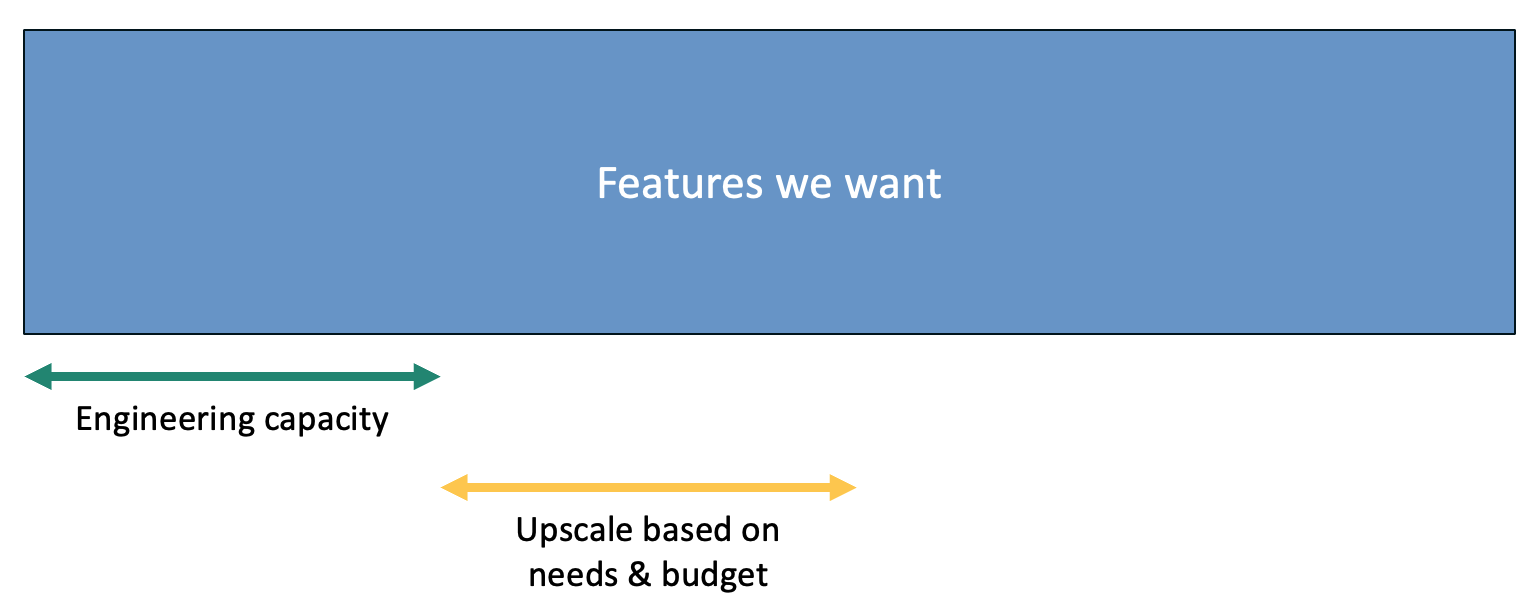
It's easy to get caught up in the excitement of building new features, but engineering capacity is limited and the work type focus should stay in balance. That balance has a significant impact on both user experience and product success.
Upscaling capacity through outsourcing or nearshoring is a great way to increase throughput and get more features done while maintaining the right work type focus.
-
06
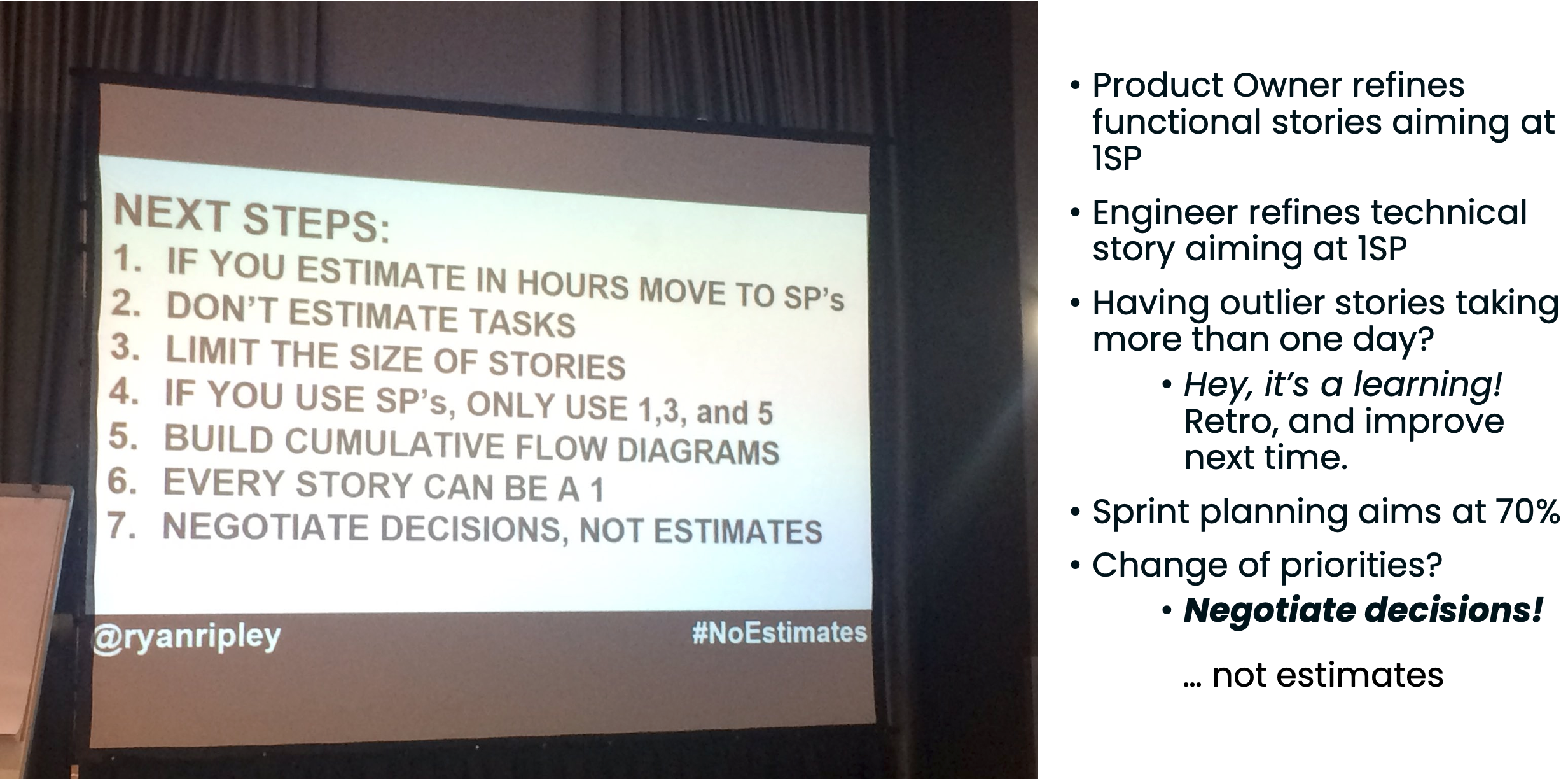
That can be possible. First decide which feature we want to build later and which feature we want to build now.
-
07
Software estimations are hard. Still looking for an estimation? Here's a quick way to get a high-over estimation.
Ask your team: Based on what we discussed, can we give a high-over estimation?
Quick time / impact analysis
- Time: Minutes / Hours / Days / Weeks / Months
- Impact: How many people are needed? How many systems are affected?
- Certainty: Low / Medium / High
Based on the certainty level, we can adjust the estimation or define a range:
- High: 1X, optimistic
- Medium: 2X, realistic
- Low: 3X, pessimistic
Yes, it's difficult to estimate how long things take, but it is mandatory for keeping a business running. The CEO of Staff suggests this antidote:
"Fix the features to the absolute minimum requirement. Double the time that you expected it to take, or triple, depending on the person or team. Don't think of a job as being finished or not finished. Instead, finish enough to get people using the product and then constantly improve."
-
08
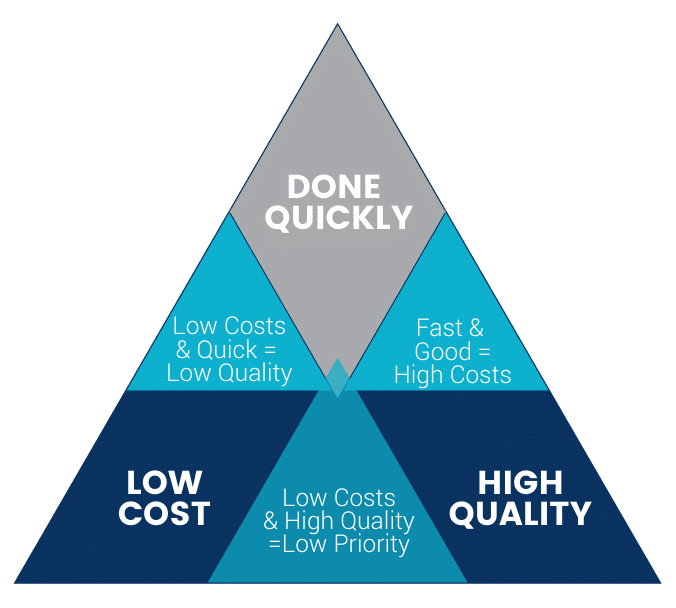
You can have low cost, speed, or quality. Pick two.
-
09
Just ask: What would you like to achieve? What's needed to make it happen?
-
10
Just ask: What can I do to help you put this in motion? No need to answer now, but think about it.
-
11
As levelsio said, "If you're depressed, you need to get sand, get a shovel, start shovelling, doing something..."
It is a great metaphor for getting out of a rut. Just start doing something, anything, and you'll feel better.
-
12
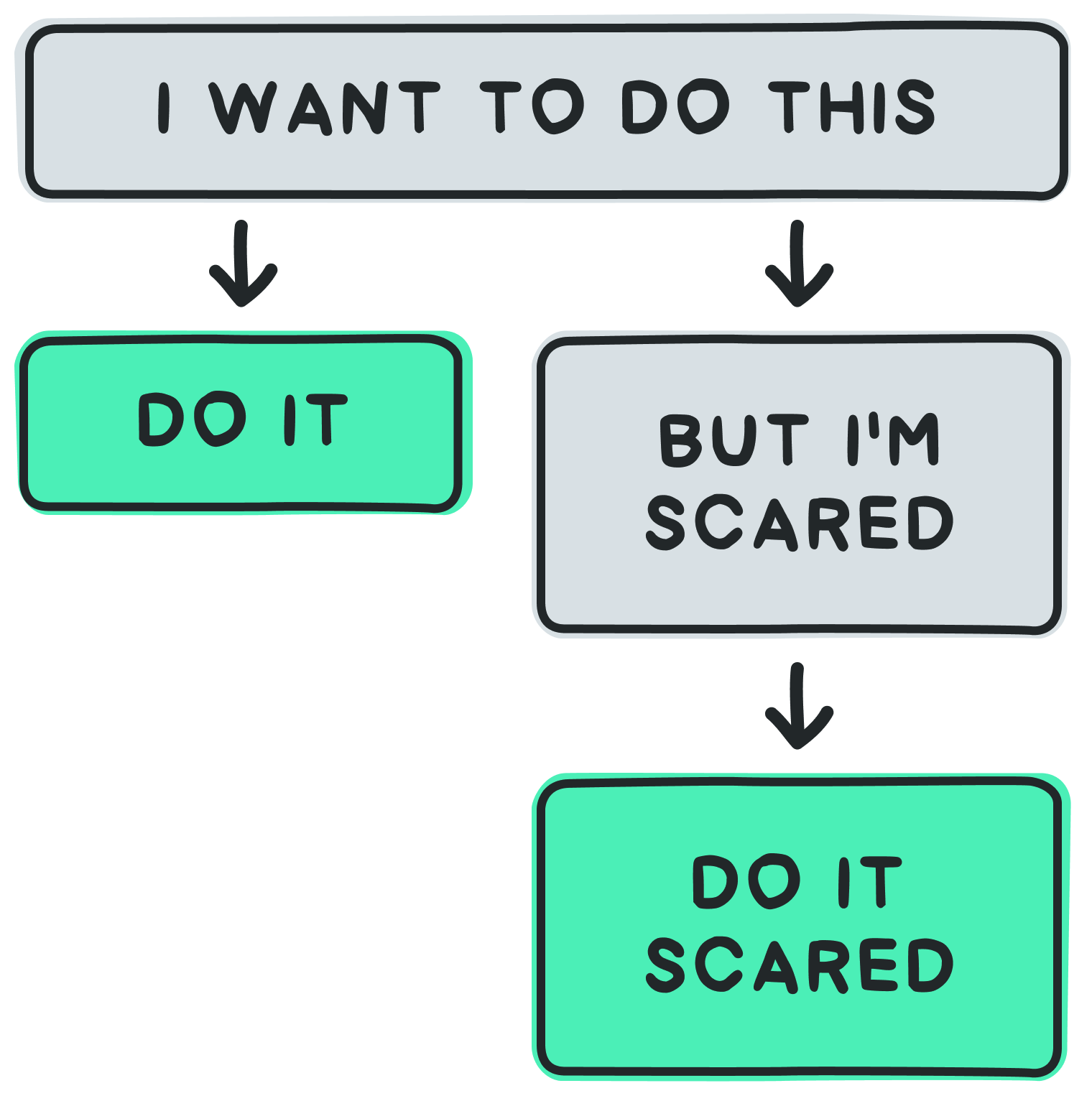
Out of the comfort zone.
-
13
There is a famous quote by Reid Hoffman, founder of LinkedIn: "If you are not embarrassed by the first version of your product, you've launched too late."
-
14
"It doesn't make sense to hire smart people and tell them what to do; we hire smart people so they can tell us what to do." - Steve Jobs
Steve Jobs on Hiring Truly Gifted PeopleSteve Jobs talks about managing peopleSteve Jobs passion in work -
15
"Quality is more important than quantity. One home run is much better than two doubles." - Steve Jobs
-
16
-
17
My approach centers on achieving our goals while empowering people to take ownership. This means flexibility in working hours, allowing team members to balance their personal time throughout the day. However, with this flexibility comes high responsibility. Team syncs should always be prioritized, and it's essential to keep teammates informed and respond promptly to Slack messages.
Some individuals may choose to work beyond regular hours, accelerating both personal growth and compensation. This extra effort directly ties to salary increases during performance reviews, making the additional time both valuable and compensated, without the need for a complicated time-tracking system.
Personally, I work out of passion. For me, work and hobby are one and the same. While I dedicate significant time to my career, I also prioritize family and maintain a healthy work-life balance.
Strict business hours, on the other hand, would require tracking time and using vacation days for personal matters, something we aim to avoid.
-
18
Inspired by 37signals, this site shares my principles, insights, and notes on technical leadership, all out in the open.
